|
Where a bottom has small, isolated blisters it is not necessary to remove the gelcoat. Clean the surface with a dewaxer or solvent wash. Open each blister individually then fill and fair the blister cavities followed by an epoxy coating. Use 3 a countersink bit on a ~ variable-speed drill to open blisters. Wear protective clothing and eye protection (goggles or full face shield). The acidic fluid may be under as much as 200 psi of pressure.
If the bottom is covered with small or large blisters that go into the laminate, you'll need to remove the gelcoat surface down to the fibreglass laminate and at least 5cm (2") above the waterline. This is accomplished by either sandblasting, peeling or grinding. Sandblasting with sand or other mediums will remove the gelcoat and open any blister cavities but must be done by a competent operator -in the wrong hands, sandblasting can blast a hole right through the laminate.
Gelcoat peeling is the most efficient method of removing gel coat. It leaves a clean, smooth surface, but because it requires expensive hand-held or robotic equipment, must be done by a contractor. Grinding is painstaking slow and messy work but the most common solution for do-it-yourselfers.
Use a grinder fitted with a soft back-up pad and 24- to 36 grit discs and grind until you reach the laminate layer. Hold the grinder at a low angle to avoid gouges. Be careful not to cut into the laminate. Often grinding removes all blistering occurring between the gelcoat and skin coat, the first layer of mat. If you can still see light-colored circles of delamination, you'll need to remove the damaged laminate. Using a 7.6cm (3") 24- or 36- grit grinding disc on a drill attachment, grind out the contaminated laminate area, forming small craters until all signs of delamination are removed. Gougeon Brothers recommend "sounding" the hull with a rubber mallet to detect any laminate degradation. Wet or delaminated areas will sound dull or flat; dry, solid laminate has a sharp sound. If there is evidence of delamination or blistering above the waterline consult a surveyor.
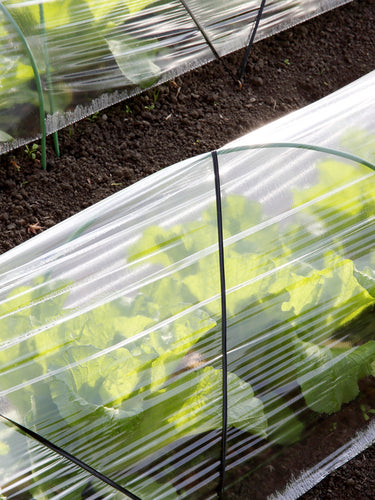
Scrub the area with detergent and flush out with freshwater to remove any contaminants. Allow the area to dry to remove all moisture from the bottom. Drying could take anywhere from two weeks to two months or possibly longer depending on the severity of the blistering. The more blistering, the more water the hull has retained. Removing all of the moisture from the hull prior to repairing and recoating will minimize the possibility of blisters reoccurring. Infrared heat lamps or tenting the hull area with plastic sheeting will speed up the drying process. In the latter case, wrap the bottom in plastic, held in place above the waterline with tape and weighted at the bottom to form a tight seal.
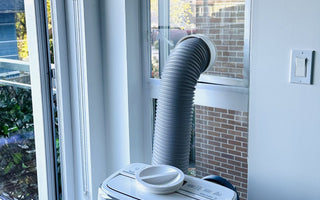
Dehumidifiers and small fans to keep the air moving are placed inside the tent. Keep the bilge dry and well ventilated to prevent moisture from entering the laminate from the inside. If the boat is stored inside, use heaters or fans to force dry the surface.
Check the moisture content of the fibreglass laminate with a moisture meter before applying any coating. Test the hull both above and below the waterline in several areas every two to three feet apart. Mark the spots on the hull where you take the readings and every few weeks again check the moisture content. A meter reading of 2% or 3% is recommended. Another method to determine hull dryness is to lay 30.4cm (12") squares of clear plastic sheet over the surface and seal all edges with tape. Leave for at least 24 hours. If condensation forms, the hull requires further drying. Remove the plastic, wipe the area and plastic dry and repeat until the plastic remains dry.
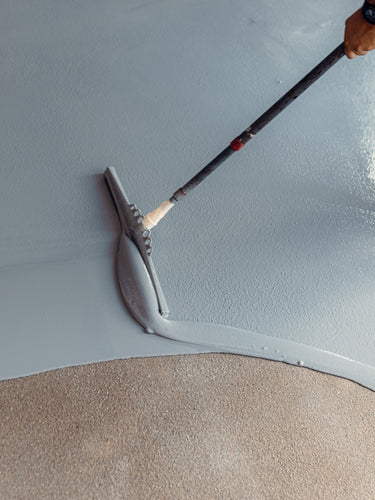
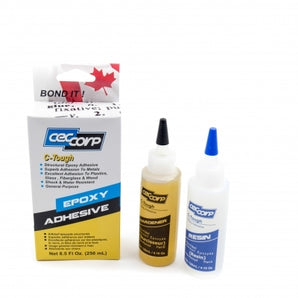
When thoroughly dry, wash the bottom again with freshwater. Scrub the surface with a 3M Scotch Brite pad to remove any surface contaminates leached out during drying such as glycol, a liquid component of polyester resins that unlike water, does not evaporate. Some manufacturers recommend pressure washing the hull with hot freshwater every three to four weeks during the drying processing to remove all glycol contained in the laminate. When the surface has thoroughly dried, apply a sealer coat to cover the exposed laminate surfaces. These sealers are typically low viscosity epoxy coatings designed to seal voids and pin holes prior to applying a fairing compound and barrier coatings. Follow the manufacturer's directions. Epoxy coatings developed for blister repair include many epoxy resin systems West Systems, System Three and Interlux's Interprotect System.
The surface is now ready for fairing. Fairing is the process of making the surface flat and smooth again. Any surface bumps or dents in the hull will result in a decrease in performance and appearance. Apply the fairing compound to fill the exposed cavities. Use large putty knives and battens to apply a smooth layer of filler. Several thin coats are better than one thick coat. Don't use a polyester fairing compound below the waterline. Epoxy or vinylester work best here. Again, follow the manufacturer's instructions. When dry, sand off high spots, remove dust and refill low spots. Be sure there are no pinholes or glass strands protruding through the filler.
Once the fairing compound material has dried, proceed to sand or "rough shape" with 36-grit sandpaper or disc to knock down the material quickly. Don't sand too much or you will have to apply more fairing compound to your low spots. Finish sanding with 80 grit followed by 180 grit to refine the surface for painting. Follow manufacturer's instructions for finishing details.
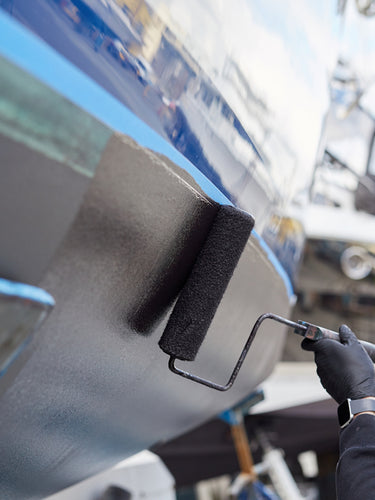
Multiple coats of a recommended epoxy barrier coating followed by a primer and anti fouling paint are now applied according to manufacturer1s instructions at this time. Wash the hull with the recommended solvent before applying primer.
|